









Waking up overheated can make an otherwise comfortable mattress feel impossible to sleep on. You may fall asleep feeling fine, only to wake later with damp sheets, a warm pillow or a layer of heat trapped around your body.
The problem can become more noticeable during humid summers, in well-insulated Canadian homes or when two people share the same bed. Your duvet, sheets and bedroom temperature all matter, but the construction of your mattress can also influence how much warmth stays close to your body.
Finding the best mattress for hot sleepers in Canada does not simply mean buying the mattress with the biggest “cooling” claim. You need to look at the cover, comfort layers, foam structure, firmness, airflow and how deeply your body will sink into the surface.
This guide explains what Canadian shoppers should check before choosing a cooling mattress and how to avoid paying extra for features that may not meaningfully improve sleep.

What Is the Best Mattress for a Hot Sleeper?
A good mattress for someone who sleeps hot should combine:
- A breathable or moisture-wicking cover
- Comfort layers that do not hold excessive body heat
- Enough firmness to prevent deep heat-trapping sinkage
- Open-cell, gel-infused or naturally breathable materials
- A supportive base that allows comfortable movement
- The right firmness for the sleeper’s position and body weight
There is no single mattress that will feel coolest for every person. A firm gel memory foam model may work well for a back sleeper, while a softer bamboo-covered mattress may be more comfortable for a lightweight side sleeper.
The most suitable choice is the one that balances temperature control with pressure relief, spinal support and personal comfort.
Why Do Some People Sleep Hotter Than Others?
Two people can sleep in the same room and have completely different experiences. One may need an extra blanket while the other throws the covers off during the night.
Several factors can contribute to feeling too warm in bed:
- Natural differences in body temperature
- Bedroom temperature and humidity
- Heavy or synthetic bedding
- Sharing a bed with a partner
- Sleeping deeply inside soft foam
- Reduced airflow around the mattress
- Certain medications or health conditions
- Hormonal changes
- Stress, illness or alcohol consumption
A mattress cannot correct every possible cause of nighttime overheating. However, it can help create a more breathable sleep surface and reduce the amount of warmth trapped directly around the body.
Canadian adults are generally advised to get seven to nine hours of sleep each night, but many have difficulty falling asleep, staying asleep or waking refreshed. A comfortable bedroom and suitable mattress are therefore important parts of a healthy sleep environment. The Public Health Agency of Canada’s sleep information provides more details about adult sleep recommendations.
Persistent or severe night sweats should not automatically be blamed on a mattress. Speak with a qualified healthcare professional when overheating is new, unexplained, frequent or accompanied by other symptoms.
What Should You Look for in the Best Cooling Mattress for Hot Sleepers in Canada?
1. Start With the Mattress Cover
The cover is the first part of the mattress that comes into contact with your bedding and body. A thick, tightly woven or heavily quilted cover may feel luxurious, but it can also limit how easily heat and moisture move away from the sleep surface.
Look for covers described as:
- Breathable
- Cool-touch
- Moisture-wicking
- Lightweight
- Bamboo-based
- Designed to promote airflow
A cool-touch cover can make the bed feel refreshing when you first lie down. However, that initial sensation is not the same as all-night temperature regulation.
The cover should work together with the layers underneath it. A cool fabric placed over a thick, heat-retaining foam layer may provide only temporary relief.
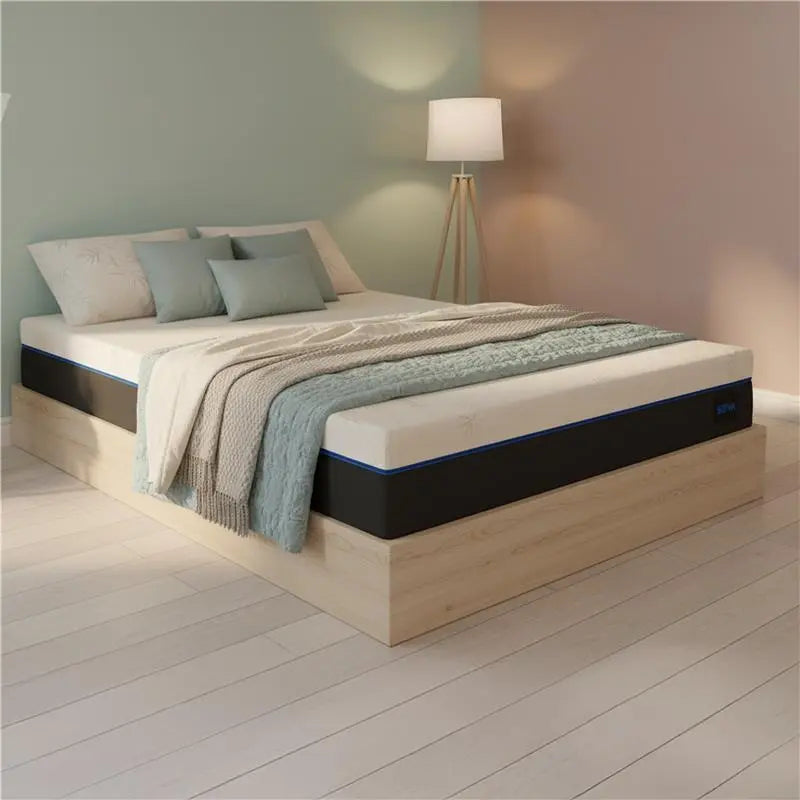
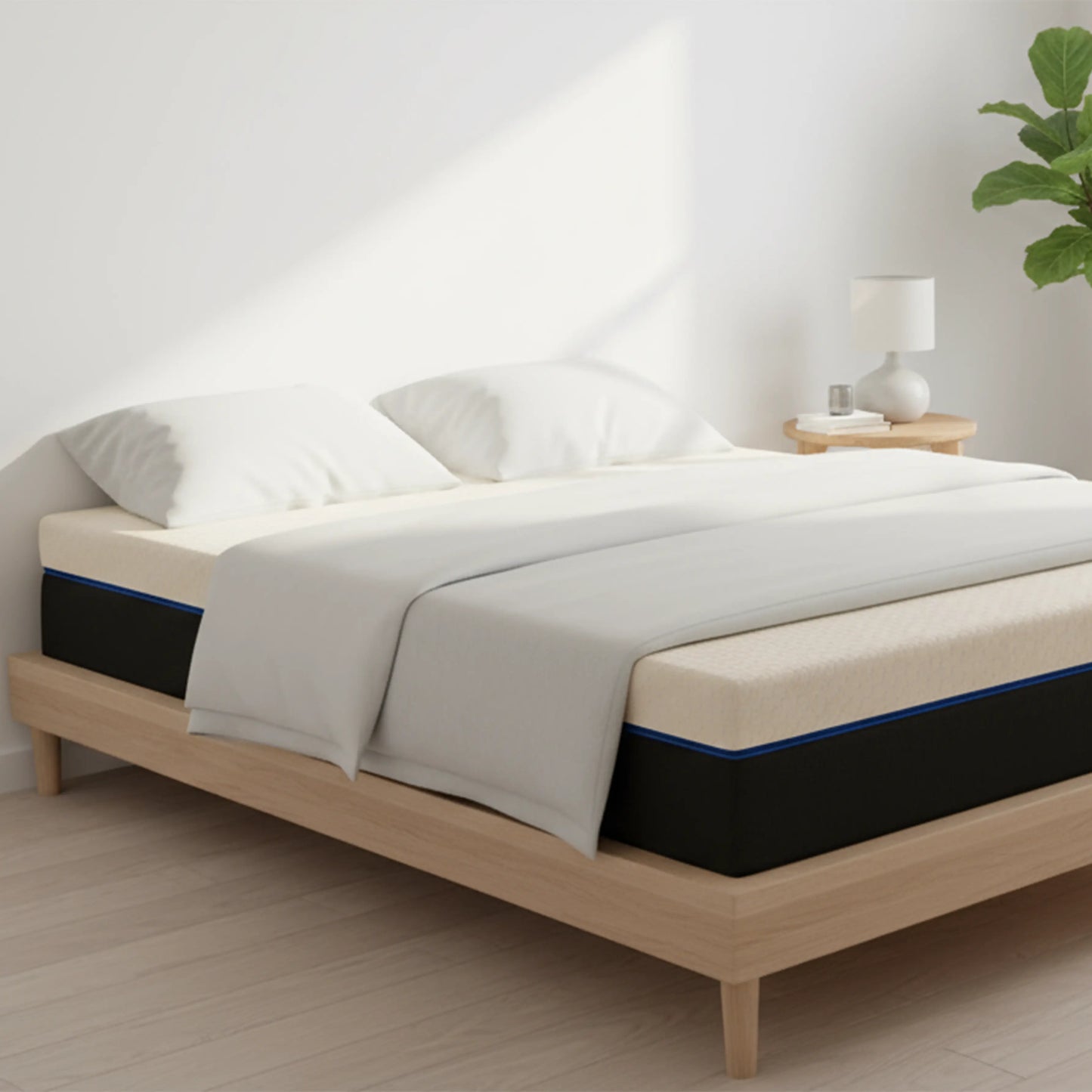
The Seva Cool Mattress, for example, combines a cool-touch fabric with gel-infused memory foam and a supportive high-density base. Its design is intended to balance surface breathability, contouring and firm support.
2. Understand the Type of Memory Foam
Traditional memory foam is popular because it contours around the body and reduces pressure. The same close contouring can sometimes restrict airflow, particularly when the foam is very soft or dense.
That does not mean every memory foam mattress will feel uncomfortably warm.
Modern foam mattresses may include:
- Gel particles
- Open-cell foam
- Ventilated channels
- Perforated foam
- Copper or graphite infusions
- Phase-change materials
- Breathable fabric covers
Gel-infused memory foam is designed to improve the way heat is distributed through the comfort layer. It can be a practical option for shoppers who enjoy memory foam pressure relief but do not want the heavy, enveloping feel associated with older foam beds.
To understand how density affects support, durability and warmth, read Seva’s guide to foam density in mattresses for Canadian buyers.
Cooling features can improve a foam mattress, but buyers should still consider the complete construction. Sleep Foundation notes that memory foam generally retains more warmth than naturally breathable latex, while thick foam comfort layers may hold more heat than thinner ones.
3. Check How Deeply You Will Sink
Sinkage is often overlooked when people search for the best cooling mattress in Canada.
When you sink deeply into a soft surface, more mattress material surrounds your body. This can reduce exposure to circulating air and create a warmer pocket around the shoulders, hips and torso.
A firmer surface usually keeps more of the body above the mattress. This may help some hot sleepers feel less enclosed.
However, choosing the firmest mattress available is not always the answer. A mattress that is too hard may create pressure around the shoulders or hips, especially for side sleepers.
The goal is to find enough firmness to limit excessive sinkage without sacrificing pressure relief.
4. Look at the Whole Layer System
A cooling mattress should not be judged by one material alone.
For example, gel memory foam may help manage warmth, but its performance can also depend on:
- The thickness of the gel layer
- The softness of the foam
- The structure of the supporting layers
- The breathability of the cover
- The sleeper’s body weight
- The foundation under the mattress
A well-designed foam mattress may use a thinner cooling comfort layer above a strong support core. This allows the upper surface to cushion the body without creating excessive sinkage.
The Seva Cool Mattress uses a two-inch gel memory foam layer over a seven-inch high-density base. It also has a firm feel, rated at 9 out of 10 on Seva’s firmness scale. This may be most suitable for shoppers who prefer substantial support rather than a plush, deeply conforming bed.
5. Consider Latex for Natural Breathability
Latex is more responsive than traditional memory foam. Instead of slowly allowing the body to sink, it tends to push back and help the sleeper remain closer to the surface.
Many latex mattresses also contain small openings or a naturally breathable cell structure that can support airflow.
Latex may be worth considering when you:
- Sleep hot throughout the year
- Dislike the slow response of memory foam
- Prefer a bouncier sleep surface
- Change positions frequently
- Want strong durability
- Prefer less body-hugging contouring
However, latex mattresses are often more expensive than standard foam models. They may also feel too responsive for sleepers who prefer deep cushioning.
Canadian shoppers can compare this material through Seva’s Natturra natural latex mattress.
6. Do Not Ignore Mattress Firmness
Cooling and firmness are closely connected because firmness influences how far the body settles into the comfort layers.
As a general starting point:

These are starting points rather than fixed rules. Comfort depends on body type, pain concerns, mattress design and personal preference.
Are Hybrid Mattresses Better for Hot Sleepers?
Hybrid mattresses combine foam comfort layers with an innerspring or pocket-coil support system.
The open space around the coils can allow more air to move through the lower part of the mattress. This often makes hybrids appealing to people comparing the best mattress for night sweats or frequent overheating.
Potential advantages include:
- Better airflow through the support system
- Stronger edge support
- Less deep sinkage
- Easier movement
- A balance of cushioning and responsiveness
However, the word “hybrid” does not automatically guarantee cool sleep.
A hybrid with several inches of dense, soft memory foam may still retain noticeable heat. Buyers should check the thickness and type of the upper layers rather than focusing only on the coil system.
Is a Bamboo Mattress Good for Hot Sleepers?
Bamboo-derived mattress fabrics are often selected for their soft feel, breathability and moisture-management properties.
A bamboo cover may be helpful for someone who becomes warm or slightly sweaty during sleep, particularly when it is combined with a cooling comfort layer.
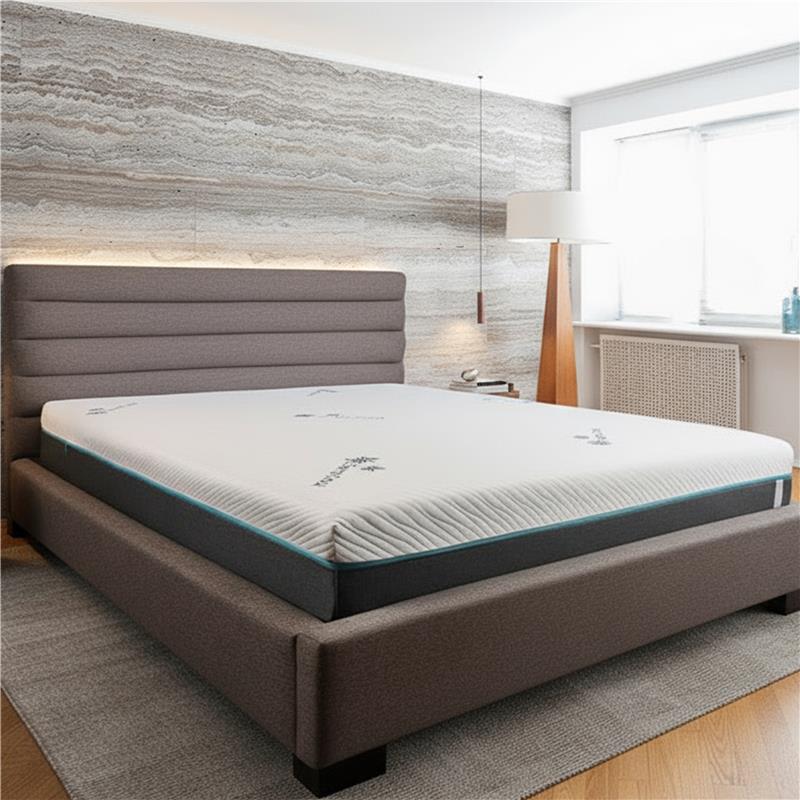
The Bamboo-Bliss Mattress uses a bamboo fabric cover over gel-infused memory foam. It has a softer 4 out of 10 firmness rating, making it more suitable for people who want a plush surface than sleepers seeking very firm support.
A softer bamboo-covered mattress may suit:
- Lightweight sleepers
- Side sleepers
- People who prioritise pressure relief
- Shoppers who prefer a softer surface
- Sleepers who want moisture-wicking fabric
A heavier sleeper who sinks deeply may still experience warmth, even with a breathable cover. Firmness and body weight should therefore be considered along with the fabric.
Best Seva Mattress Options for Different Hot Sleepers
The right cooling choice depends on more than temperature alone.
For Hot Sleepers Who Prefer a Firm Mattress
Consider the Seva Cool Mattress.
It may suit shoppers looking for:
- A 9-inch Canadian-made mattress
- Firm 9 out of 10 support
- A two-inch gel memory foam layer
- A breathable cool-touch cover
- Reduced sinkage
- A compressed and rolled mattress
This model may be particularly appealing to back sleepers, stomach sleepers and people who dislike soft beds.
For Hot Sleepers Who Want a Softer, Hotel-Style Feel
Consider the Hotel Collection Mattress.
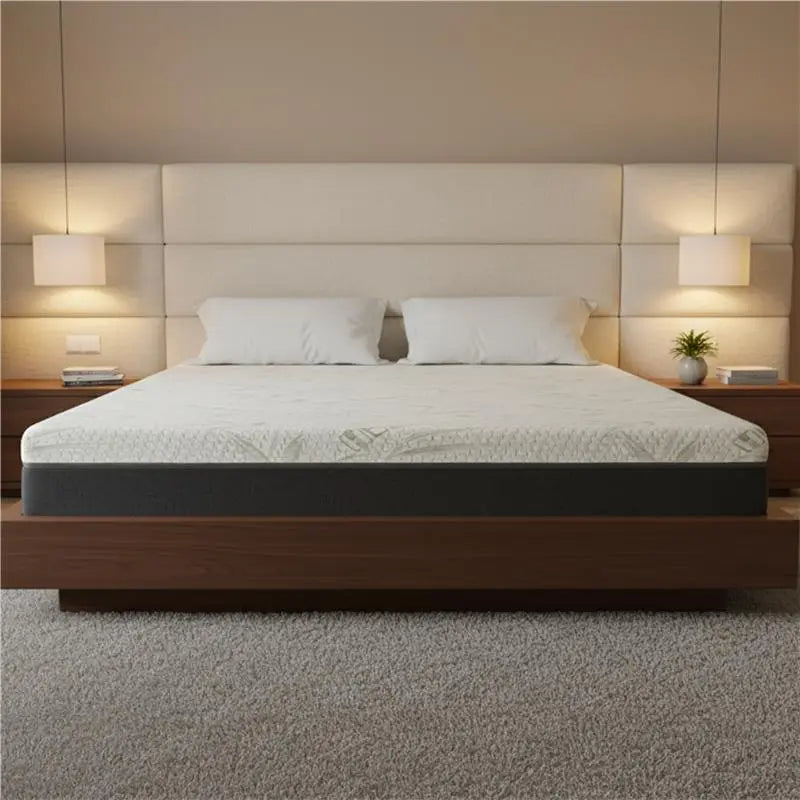
Its construction includes:
- A 10-inch profile
- Gel-infused memory foam
- A transition foam layer
- A high-density support core
- Cool-touch, moisture-wicking fabric
- A medium 5 out of 10 firmness level
It may work well for couples or sleepers who want pressure relief without choosing an extremely soft surface. The mattress also includes motion-isolating foam, which may help reduce disturbances when partners move.
For Hot Sleepers Who Prefer Plush Comfort
Consider the Bamboo-Bliss Mattress.
This model combines:
- A breathable bamboo fabric cover
- Gel-infused memory foam
- A high-density support base
- A soft 4 out of 10 firmness level
It may be more appropriate for side sleepers and lighter individuals than for people who require a very firm sleep surface.
For Sleepers Who Want a More Responsive Material
A latex model such as the Natturra Latex Mattress may be worth comparing.
Latex generally provides a more buoyant feel than memory foam. This may help sleepers remain closer to the surface rather than sinking deeply into the mattress.
Explore all available options in the Seva mattress collection.
Can a Mattress Topper Make Your Bed Cooler?
A topper may help when your existing mattress is still supportive but feels slightly too warm or firm.
Cooling topper options include:
- Silicone gel grids
- TPE gel toppers
- Perforated latex
- Open-cell foam
- Wool
- Breathable mattress pads
A topper cannot completely change the internal construction of a heat-retaining mattress. It may, however, create more separation between your body and the warm comfort layers below.
Before replacing an otherwise supportive mattress, read Seva’s silicone gel mattress topper buying guide.
Cooling Mattress Claims: What Should You Be Careful About?
Mattress marketing frequently uses terms such as:
- Ice fabric
- Cooling gel
- Temperature control
- Thermal technology
- Cooling fibres
- Chill cover
These terms can describe useful features, but they do not all provide the same result.
Before buying, ask:
- Is the cooling feature only in the cover?
- What material is used in the comfort layer?
- How thick is the foam?
- Is the foam open-cell or ventilated?
- How firm is the mattress?
- Will my body sink deeply?
- Does the company explain the mattress construction?
- Is there a suitable return or exchange policy?
- Is the mattress compatible with my current foundation?
- Does the firmness match my sleeping position?
Be cautious when a company makes exact temperature-reduction claims without explaining how those figures were measured.
How to Make Any Mattress Sleep Cooler
Even the best cooling mattress for hot sleepers in Canada can feel warm when used with heavy bedding or in a poorly ventilated room.
Try these practical changes:
Use Breathable Sheets
Lightweight cotton, linen or moisture-wicking sheets generally feel more breathable than thick synthetic fabrics.
Choose a Lighter Duvet
A heavy winter duvet may be unnecessary during warmer months. Use seasonally appropriate bedding and layer blankets so they can be removed easily.
Improve Air Circulation
A fan, open door or air-conditioning system can help move warm air away from the bed.
Check the Bed Base
Placing a mattress on a solid surface with no ventilation may restrict airflow underneath it. Use a compatible slatted or ventilated foundation when recommended by the manufacturer.
Avoid Thick Heat-Trapping Protectors
Waterproof mattress protectors are useful, but some create a warm or plastic-like surface. Look for a breathable protector that does not interfere with the mattress’s cooling cover.
Keep the Room Comfortably Cool
The National Sleep Foundation suggests a bedroom temperature of approximately 65°F to 68°F, or about 18°C to 20°C, for most adults. Personal comfort can vary, so use this as a starting range rather than a strict rule.
Cooling Mattress Buying Checklist for Canadian Shoppers
Before placing an order, check the following:
- Is the mattress made with breathable or cooling materials?
- Does the cover wick moisture?
- Is the comfort layer gel-infused, open-cell or ventilated?
- How thick are the upper foam layers?
- What is the firmness rating?
- Does the firmness suit your sleeping position?
- Will the mattress support your body weight?
- Does it have a strong base layer?
- Is it made in Canada or imported?
- Are the materials certified?
- What warranty is included?
- Are delivery and return conditions clearly explained?
- Is the mattress available in the size you need?
- Can it be ordered in a custom size?
- Will it work with your current bed frame or foundation?
This checklist helps you evaluate real construction details instead of relying only on cooling labels.
Final Thoughts: Choosing the Best Mattress for Hot Sleepers in Canada
The best mattress for hot sleepers in Canada should do more than feel cool for the first few minutes. It should allow heat and moisture to move away from the sleep surface while giving your body the support it needs throughout the night.
Look beyond the word “cooling” and examine:
- The cover material
- The type of comfort foam
- The thickness of each layer
- The mattress firmness
- The amount of sinkage
- The support core
- The suitability for your sleep position
A firm gel memory foam mattress may work well for someone who wants strong support and limited sinkage. A medium hotel-style model may better suit couples, while a softer bamboo-covered mattress may appeal to lightweight side sleepers.
There is no universal winner. The right cooling mattress is the one that matches your body, preferred sleeping position and comfort needs while creating a breathable, balanced sleep environment.
Explore the complete range of Canadian mattress options from Seva and compare the materials, firmness and construction before making your decision.
Frequently Asked Questions
What type of mattress is best for hot sleepers?
Breathable latex, coil-based hybrids and well-designed gel memory foam mattresses can all work for hot sleepers. The right option depends on your preferred firmness, sleeping position, body weight and budget.
Does memory foam make you sweat?
Traditional dense memory foam can retain warmth because it contours closely around the body. Gel infusions, open-cell construction, breathable covers and firmer designs may help reduce heat buildup.
Is gel memory foam cooler than regular memory foam?
Gel-infused foam is designed to distribute heat more effectively than basic memory foam. Actual performance depends on the amount of gel, foam structure, layer thickness, cover and overall mattress construction.
What is the best mattress for hot sleepers in Canada who prefer firmness?
A firm mattress with a breathable cover, cooling comfort layer and strong support core may be suitable. The Seva Cool Mattress is one example, with a cool-touch cover, gel memory foam and a 9 out of 10 firmness rating.
What is the best cooling mattress for side sleepers?
Side sleepers usually need enough cushioning around the shoulders and hips. A medium or softer mattress with breathable comfort layers may be preferable to an extremely firm model.
Are cooling mattresses useful during Canadian winters?
Yes. Hot sleepers can experience overheating throughout the year, especially in well-insulated homes or under heavy bedding. A temperature-regulating mattress is intended to reduce excess heat buildup rather than make the bed cold.
Can couples benefit from a cooling mattress?
Yes. Two people generate more heat than one, and partners may have different temperature preferences. A breathable mattress with motion isolation and moderate sinkage can be a practical compromise.
Will a cooling mattress stop night sweats?
A mattress may help reduce heat retention, but it cannot treat the underlying cause of night sweats. Frequent, severe or unexplained sweating should be discussed with a healthcare professional.
