


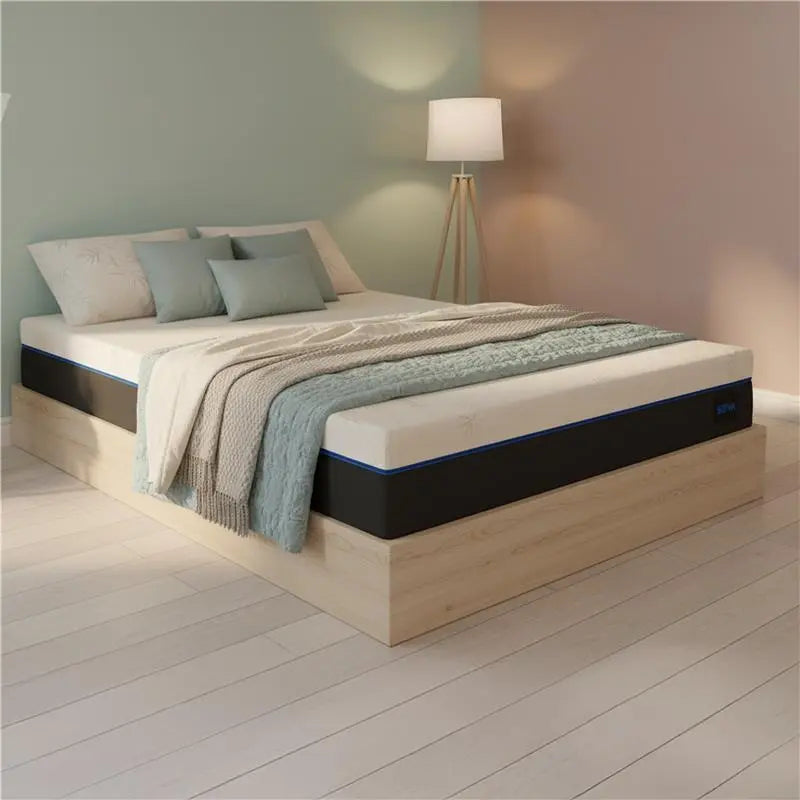

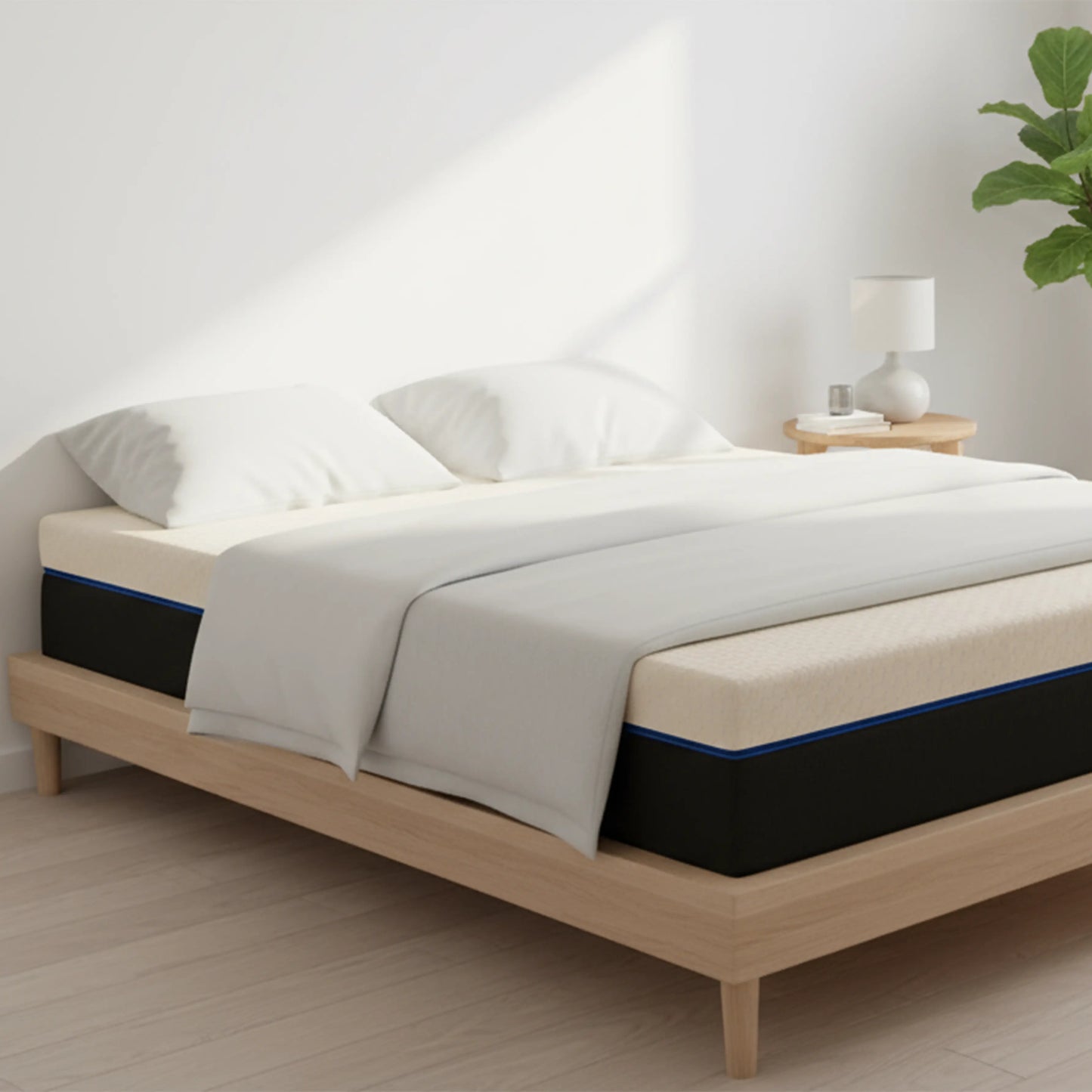


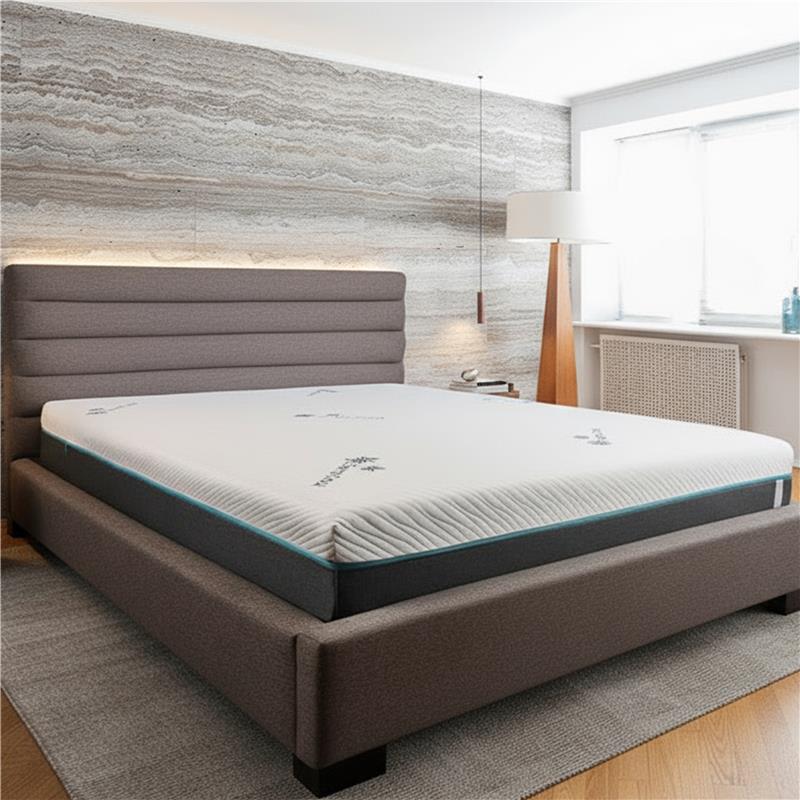


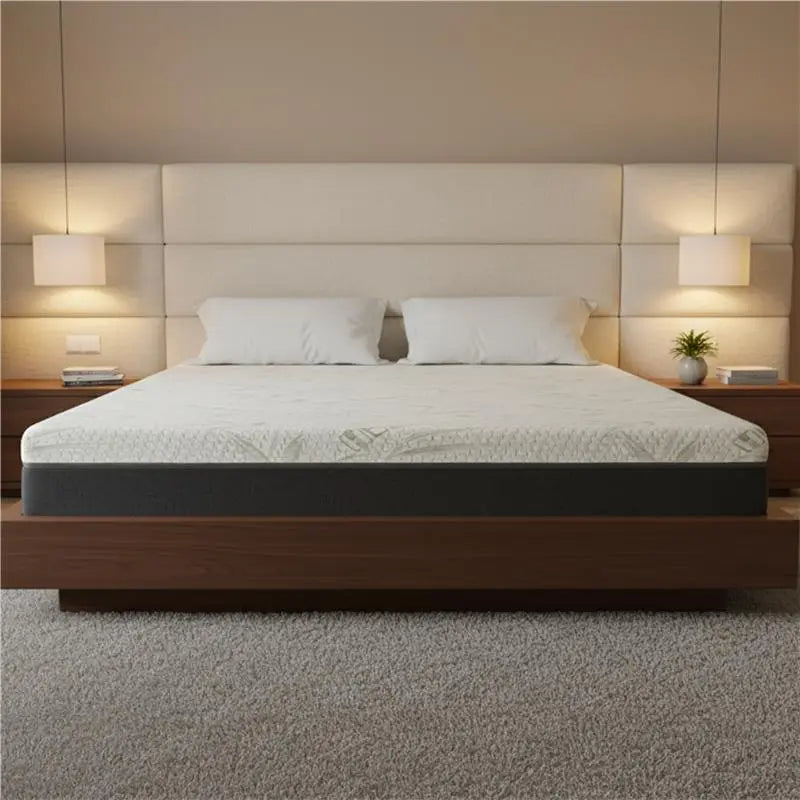


A mattress is no longer just a thick layer of foam or springs designed to provide a place to sleep. Over the last ten years, the sleep industry has undergone remarkable changes, introducing new materials, smarter designs, and features that focus on comfort, support, and overall well-being.
Modern mattresses are built with a deeper understanding of how people sleep. Manufacturers now consider factors such as body temperature, pressure relief, motion transfer, and spinal alignment when designing products. As a result, today's mattresses are far more advanced than the models many people grew up with.
For consumers, these improvements have made it easier to find a mattress that matches individual sleep preferences while offering better durability and long-term value.

Sleep Science Has Become a Major Focus
Ten years ago, mattress shopping often revolved around one simple question: soft or firm?
Today, the conversation is much more sophisticated. Sleep research has helped manufacturers understand how different materials and support systems affect the body throughout the night. Rather than creating one mattress for everyone, companies now design products to accommodate various sleeping positions, body types, and comfort preferences.
This shift has changed the way people think about sleep itself. Quality rest is increasingly viewed as an important part of overall health, leading to greater demand for products that can improve sleep quality and reduce discomfort.
Memory Foam Has Evolved Significantly
Memory foam mattresses have been around for decades, but the material has changed considerably over the past ten years.
Earlier versions often received criticism for trapping heat and creating a sinking sensation that some sleepers found uncomfortable. Manufacturers responded by developing higher-quality foams with improved airflow and faster response times.
Cooling gel infusions, open-cell foam structures, and multi-layer designs have helped address many of the issues associated with older memory foam models. These improvements provide better pressure relief while maintaining a more comfortable sleeping temperature.
Modern memory foam mattresses feel more supportive, recover faster, and deliver a more balanced sleeping experience than their predecessors.
Hybrid Mattresses Have Become Increasingly Popular
Perhaps one of the biggest developments in mattress design has been the rise of hybrid mattresses.
Instead of relying solely on foam or traditional innersprings, hybrid models combine multiple materials to deliver the advantages of both. Pocket coils provide support and airflow, while foam comfort layers add pressure relief and motion isolation.
This combination has made hybrids attractive to a wide range of sleepers, particularly couples and individuals looking for a balance between comfort and responsiveness.
Hybrid mattresses have become one of the fastest-growing categories in the industry because they offer versatility without forcing consumers to compromise.
Cooling Technology Has Improved Comfort
Heat retention used to be one of the most common complaints among mattress owners. Advances in cooling technology have helped solve this problem.
Manufacturers now use features such as:
-
Cooling gel memory foam
-
Breathable covers
-
Moisture-wicking fabrics
-
Open-cell foam structures
-
Pocket coil systems that promote airflow
These innovations help regulate temperature throughout the night, making sleep more comfortable for people who naturally sleep warm.
As awareness of sleep temperature has increased, cooling features have become a standard expectation rather than a luxury upgrade.
Motion Isolation Has Reached a New Level
Couples have benefited greatly from advancements in mattress engineering.
Older spring mattresses often transferred movement across the bed, causing disturbances whenever one partner changed positions. Today's mattresses are designed to minimize motion transfer, allowing both sleepers to rest more peacefully.
Pocket coils and advanced foam layers work together to absorb movement before it spreads across the surface. This improvement has become especially valuable for light sleepers and couples with different sleep schedules.
The ability to reduce nighttime disturbances has become one of the defining characteristics of modern mattress technology.

Better Materials Have Increased Durability
Manufacturers have invested heavily in improving the longevity of their products.
Higher-density foams, reinforced edges, stronger support systems, and premium fabrics all contribute to better durability. Many quality mattresses now maintain their comfort and support for significantly longer than models produced a decade ago.
Longer warranties and generous sleep trials also reflect growing confidence in product performance.
Consumers increasingly view mattresses as long-term investments rather than short-term purchases, making durability an essential factor in buying decisions.
Adjustable Beds Have Gone Mainstream
Adjustable bed frames were once associated mainly with hospitals and specialized medical settings. Over the past decade, they have become increasingly popular in residential bedrooms.
Modern adjustable bases allow users to customize sleeping positions, elevate their legs, reduce pressure points, and create a more comfortable environment for reading or watching television.
Many newer mattresses are specifically designed to work with adjustable bases, giving consumers more flexibility than ever before.
What was once considered a premium feature has gradually become more accessible to everyday households.
Online Mattress Shopping Has Changed the Industry
Another major shift has been the rise of online mattress shopping.
Ten years ago, most consumers visited physical stores and tested dozens of mattresses before making a purchase. Today, mattress-in-a-box technology and convenient shipping options have transformed the buying experience.
Sleep trials, home delivery, and straightforward return policies have made online shopping far more appealing. Consumers now have access to detailed product information and customer reviews that help simplify the decision-making process.
This convenience has changed expectations across the industry and encouraged manufacturers to focus more on customer satisfaction.
Sustainability Has Become More Important
Environmental awareness has influenced mattress design in recent years.
Many manufacturers now prioritize:
-
Eco-friendly materials
-
Lower-emission foams
-
Sustainable fabrics
-
Reduced packaging waste
-
Longer-lasting construction
Consumers are paying closer attention to how products are made, encouraging brands to adopt more responsible manufacturing practices.
This growing focus on sustainability reflects broader changes in consumer preferences and purchasing habits.
The Future of Mattress Technology Looks Promising
The pace of innovation shows no signs of slowing down. Smart mattresses, sleep tracking features, temperature-adjusting materials, and advanced ergonomic designs are likely to become even more common in the coming years.
As research into sleep health continues to evolve, mattresses will likely become more personalized and better equipped to meet individual needs.
Final Thoughts
The mattress industry has changed dramatically over the past decade. Improvements in materials, cooling technologies, support systems, and online shopping have transformed what consumers can expect from a mattress.
Modern mattresses are designed with comfort, durability, and sleep quality in mind, offering features that were once unavailable or considered luxury upgrades. For today's consumers, these advancements mean better choices, better sleep, and greater long-term value.
Choosing a mattress is no longer simply about finding something soft or firm. It is about selecting a sleep solution that supports healthier, more comfortable rest for years to come.
